Parks & foreshores

Visitation counting for parks and foreshores.

Understand how parks, foreshores, trails and open spaces are used across the day and the seasons, and measure the effect of new facilities.

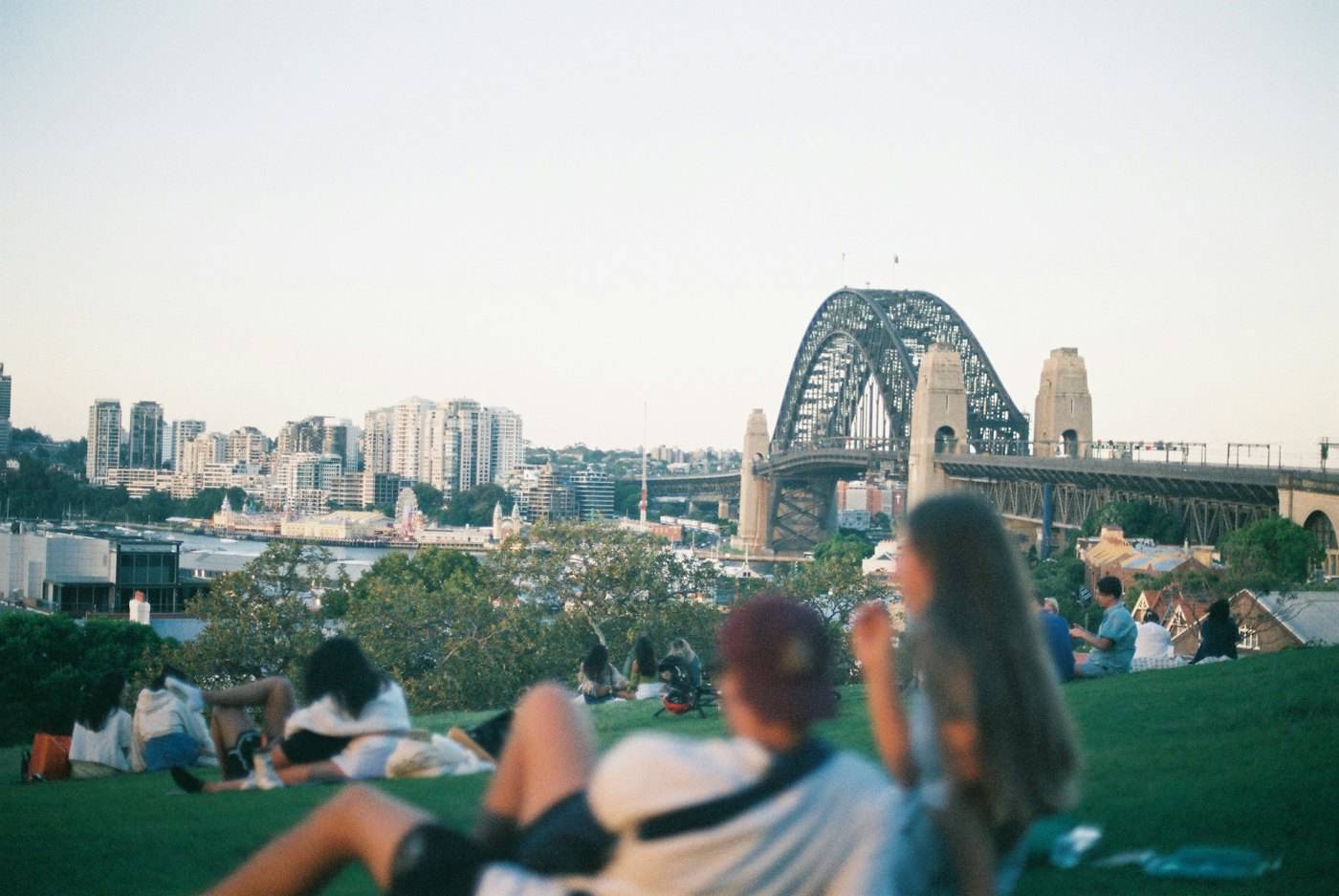
People relaxing on a harbourside lawn near the Sydney Harbour Bridge
Visitation trendsPictured: Sydney, NSW

Why measure

Open spaces need evidence too.

Parks, foreshores and trails are some of the most valued places in Australian cities, yet their use is rarely measured. Visitation data helps councils and land managers plan maintenance, programs, facilities and investment, and demonstrate the value of open space.

People and bikes on paths and trails

Counters on paths, trails and entries measure pedestrians and cyclists and their direction, showing how visitation changes by hour, day and season. Read more about counting in parks, trails and streets.

Events and seasonal peaks

Summer weekends, festivals and holidays bring very different crowds to weekday mornings. Peak-period views and forecasts help schedule cleaning, rangers and lifeguards, and temporary counting supports major events.

Built for outdoor conditions

Each site is assessed for power and connectivity, and the technology suits coastal, urban or remote environments. Data sits alongside street counts and community facilities for councils.

Typical uses in open space

Open space planners measure demand for new facilities, maintenance teams schedule cleaning and bin collection around peak use, active transport teams track cyclist growth on shared paths, and event teams measure the attendance of outdoor festivals and markets.
In practice

How it works on site.

Sensors count people as they move through each space. Counting happens on the device, and the numbers appear in the platform within seconds.

Animated illustration of a park path with a counter measuring walkers and cyclistsPath counterCyclist +1Walker +1Visitors today3,207Cyclists today1,142
Parks and foreshores: walkers and cyclists, by direction and season.

What you can measure

The numbers that matter here.

Visitation

People entering and using each area.

Cyclists

Volumes and direction on shared paths.

Learn more

Peak periods

Busiest hours, days and seasons.

Seasonal trends

Year-on-year change.

Learn more

Event attendance

Crowd numbers at outdoor events.

Learn more

Project impact

Before and after new facilities.

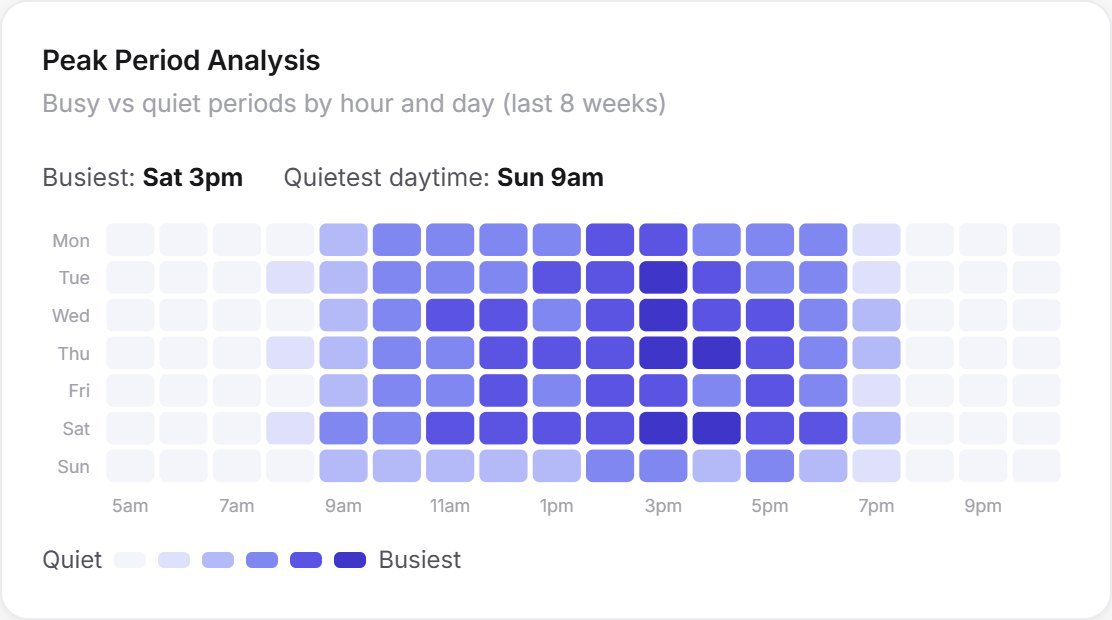
Peak periods by hour and day for a park

In the platform

See when open spaces are busiest.

Peak-period grids show the busiest hours and days at each location, informing maintenance, staffing and safety planning across the seasons.

How it is installed

From site survey to live data.

Our Australian team designs, installs and supports every deployment, so you deal with one partner from the first survey to ongoing maintenance.

How the platform works

  1. Survey. We identify entries, paths and counting points, and assess power and connectivity.
  2. Select. Technology is chosen for pedestrians, cyclists or both, suited to the outdoor environment.
  3. Install. Devices are mounted discreetly, permanently or temporarily for events and studies.
  4. Support. Remote health monitoring and local support keep data flowing.

FAQ

Questions & answers

How do you count visitors in a park?

Sensors at entries, paths and key points count pedestrians and cyclists and their direction, using technology selected for each outdoor location.

Can park counters run without mains power?

Power and connectivity are assessed for each site, and the technology is chosen to suit what is available, including remote locations.

Can it measure the effect of a new facility?

Yes. Measuring before and after a new path, playground or facility shows how visitation changed.

Is park visitation counting anonymous?

Yes. Only anonymous counts are collected, with processing on the device.

Can it count cyclists separately from pedestrians?

Yes. Where needed, technology is selected that distinguishes cyclists from pedestrians and records their direction.

Can sensors be installed temporarily for a festival?

Yes. Temporary deployments are available for events and short studies, alongside permanent installations.

See your places in a new light.

Book a 30-minute walkthrough and we'll scope a pilot for one of your sites: sensors, installation, software and insights in one agreement.