Councils & civic

People counting and crowd capacity for councils.

Libraries, community centres, events and customer service points, managed with live crowd numbers instead of guesswork, plus the evidence to justify funding.

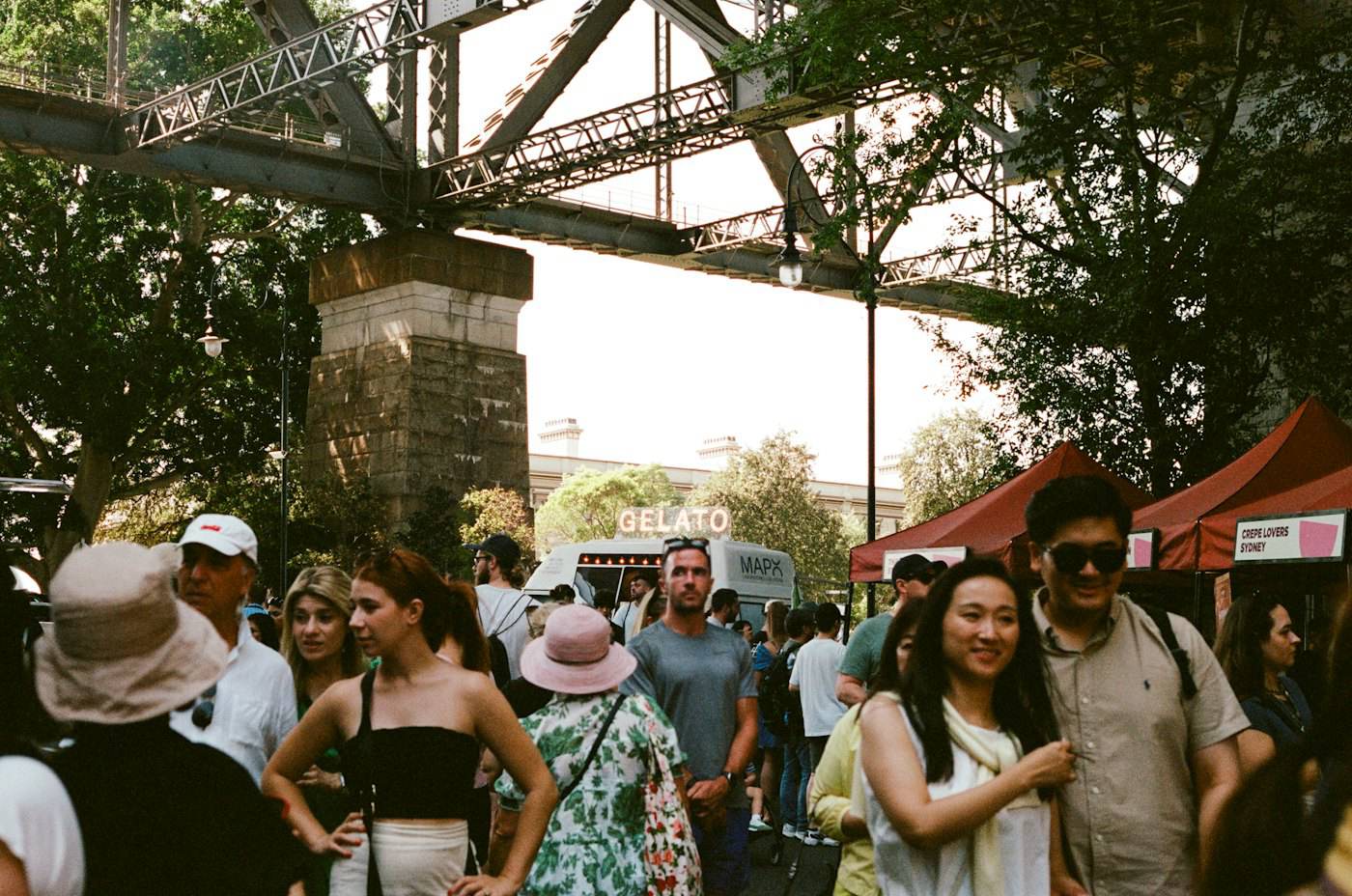
Crowd at a community event under the Sydney Harbour Bridge

Outcomes

What you can achieve.

  • Crowd capacity and safety. Live counts against fire and venue limits, with alerts before limits are reached.
  • Service levels. Queue and wait-time tracking at customer service points.
  • Opening hours and staffing. Match hours and rosters to when the community actually visits.
  • Evidence for funding. Visitation reports that prove the value of community facilities.
  • Events. Temporary counting for attendance and crowd management.
  • Active transport. Pedestrian and cyclist counts on shared paths and trails.

In practice

How it works on site.

Sensors count people as they move through each space. Counting happens on the device, and the numbers appear in the platform within seconds.

Animated illustration of a library with live occupancy in the children's area and reading room3D people counterIN +1OUT +1Children's Area29 / 30 · 97%Reading Room18 / 32 · 58%Visits today2,416
Libraries: visits at the door and live occupancy in every zone.
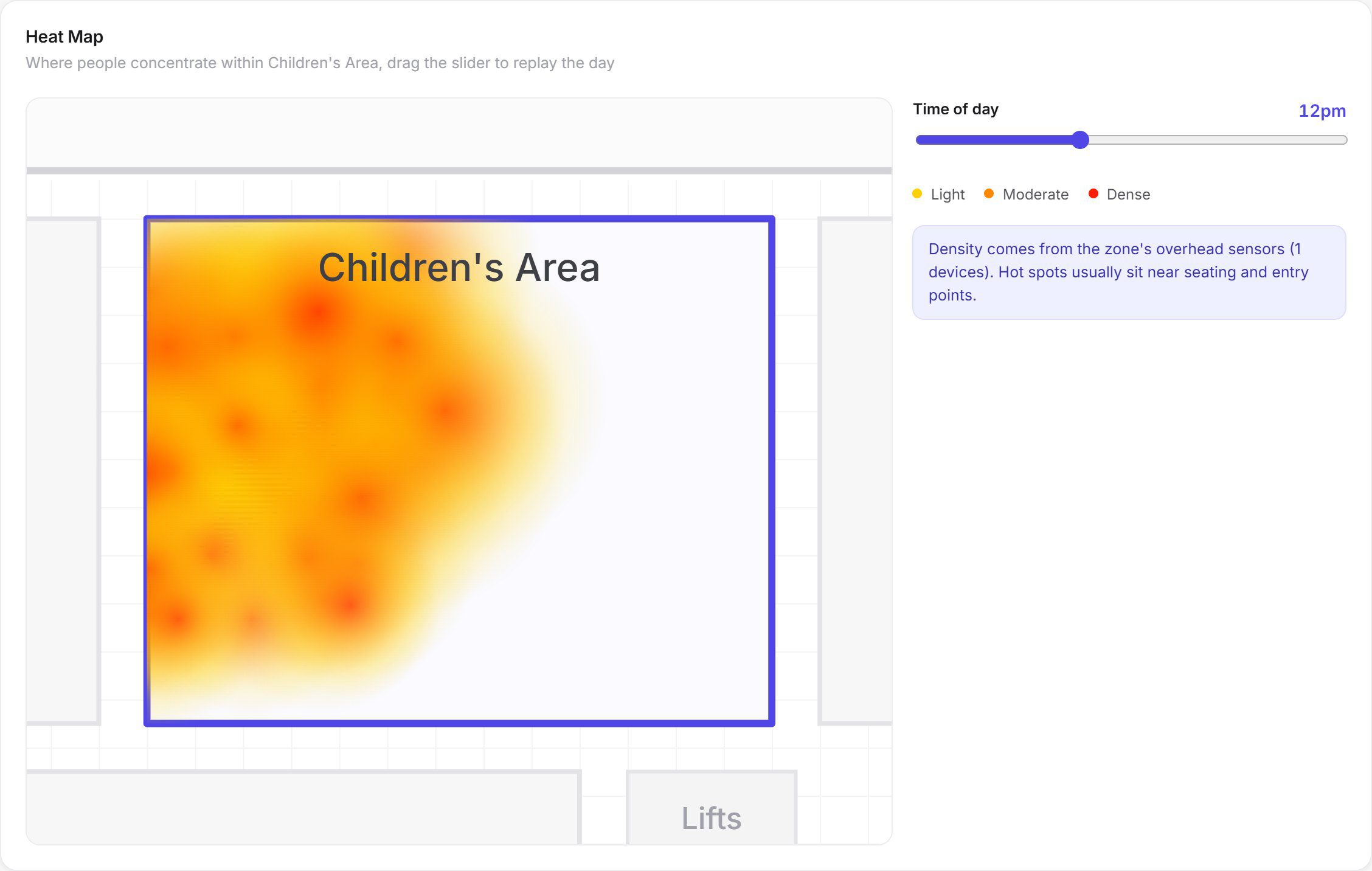
Heat map of a library children's area

In the platform

See where crowds build, room by room.

Heat maps show where people concentrate in a library or centre and replay the day hour by hour, so you can manage crowding before it becomes a safety issue.

In the platform

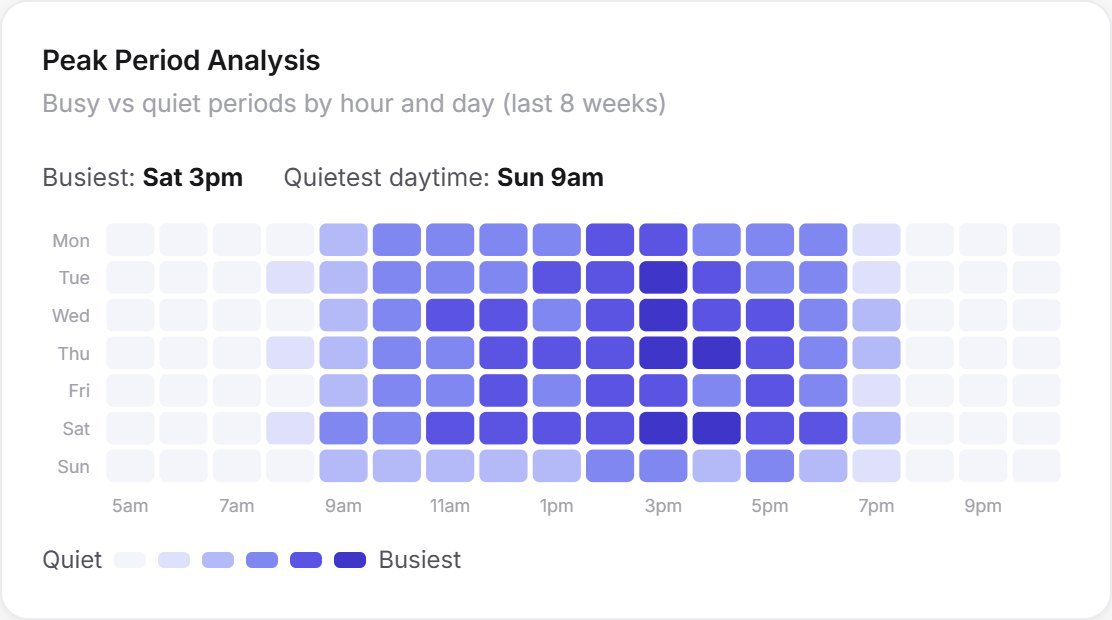
Plan hours and staff around real demand.

Peak-period grids show the busiest and quietest hours of each day, so opening hours and rosters match how the community actually uses each facility.

Peak periods heat grid by day and hour

Metrics

The numbers you get.

Visitors & attendance

Daily, weekly and seasonal visitation per facility.

Live occupancy

People present now against each space's limit.

Peak periods

Busiest and quietest hours by day.

Dwell time

How long people stay in libraries and centres.

Queue & wait

Service desk wait against targets.

Repeat visitation

New versus returning community members.

Guide

People counting for local government.

Councils run some of the most varied places in Australia: libraries, community and aquatic centres, customer service points, town halls, events, parks and shared paths. People counting gives each of them a consistent, independent measure of how the community actually uses them.

Libraries and community centres

In libraries, sensors at the entrance count visits while zone sensors measure occupancy in reading rooms, children's areas and study spaces. Live floorplans show where crowding builds, and alerts tell staff before a space reaches its limit. Over time, peak-period data shows whether opening hours and rosters match community demand.

Events and outdoor spaces

Temporary counting can be deployed for festivals, markets and civic events to track attendance and crowd numbers at entries. Permanent outdoor sensors measure parks and foreshores and streets and town centres, including pedestrian and cyclist counts on shared paths, so active-transport investment can be measured. See parks, trails and streets for more.

Evidence for funding and planning

Automated reports provide visitation numbers for annual reports, grant applications and council briefings without manual tallies. With forecasting and scenario planning, councils can test the effect of extended hours or new facilities before committing budget.

Privacy and trust

Counting is anonymous, with processing on the device and no images or personal information collected, which supports community trust and privacy obligations. Read more in privacy by design.

FAQ

Questions & answers

How do councils use people counting?

Councils use people counting to manage crowd capacity and safety in libraries, civic centres and events, to set opening hours and staffing around real demand, to monitor service-desk queues, and to report visitation as evidence for funding and planning.

Can it monitor crowd capacity at events?

Yes. Temporary sensors can be deployed for events to track attendance and live crowd numbers at entrances and zones, with alerts to staff before venue limits are reached.

Does it work for public libraries?

Yes. Libraries are one of the most common uses: visitor counts, occupancy by area such as reading rooms and children's areas, peak periods, dwell time and study-room utilisation.

Is people counting in public spaces privacy compliant?

Counting is anonymous. Processing happens on the device and data is masked at source, so no images or personal information are stored or transmitted, which supports councils' privacy obligations.

Can it count cyclists and pedestrians on shared paths?

Yes. Place Performance measures pedestrian and cyclist volumes and direction on shared paths, trails and in parks, so active-transport use can be tracked over time.

Can the data support grant applications?

Yes. Automated visitation reports provide consistent, independent evidence of how facilities are used, which is useful for grant applications, annual reports and council briefings.

See your places in a new light.

Book a 30-minute walkthrough and we'll scope a pilot for one of your sites: sensors, installation, software and insights in one agreement.